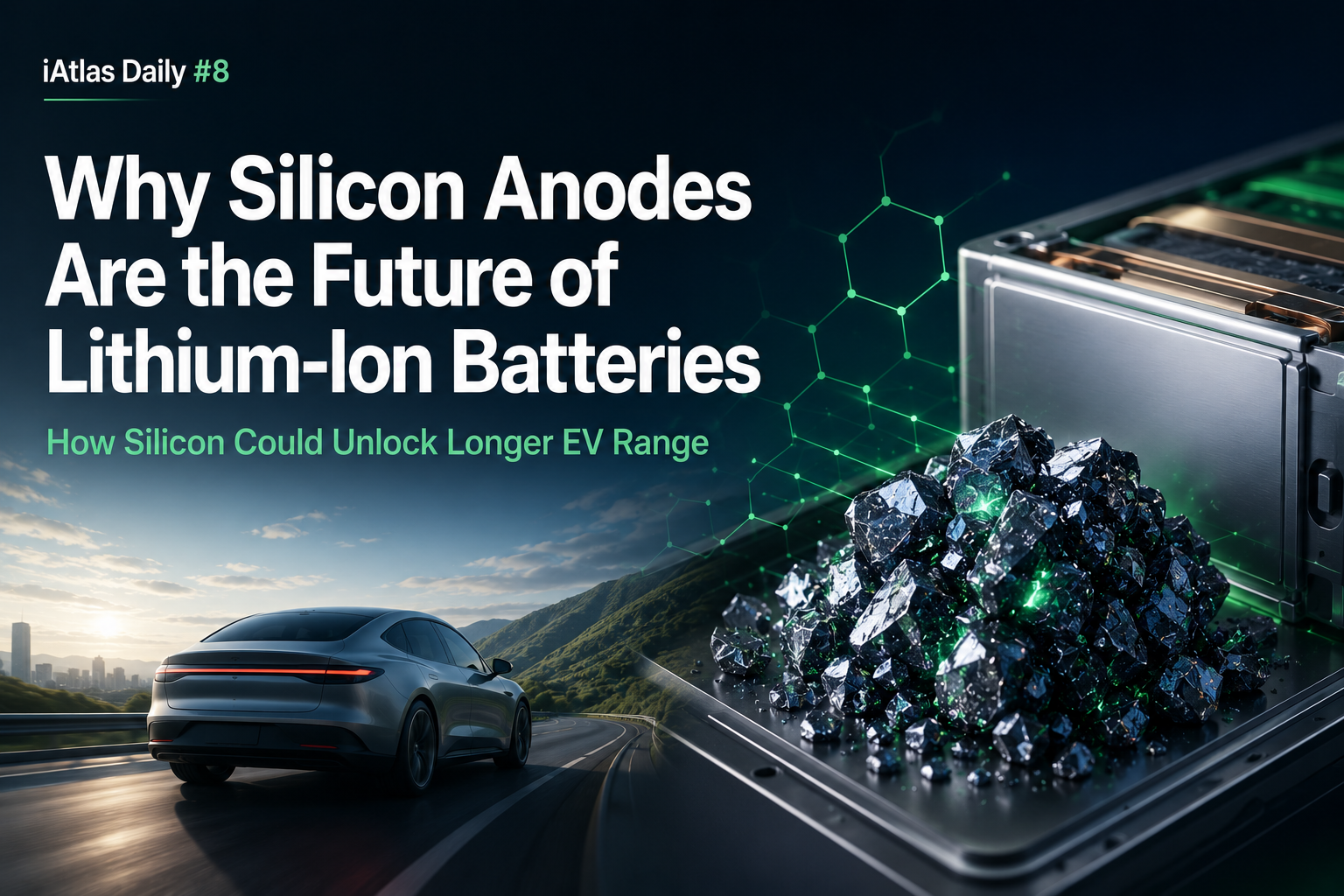
Why Silicon Anodes Are the Future of Lithium-Ion Batteries
How Silicon Could Unlock Longer EV Range
📰 iAtlas Daily #8 | July 10, 2026
Today’s Highlights
- Silicon anodes can store significantly more lithium than conventional graphite anodes.
- Battery manufacturers are investing heavily in silicon-based technologies to improve EV performance.
- The challenge is balancing higher energy density with long-term cycle life.
Cover Story
Why Silicon Is Replacing Graphite
For decades, graphite has been the standard anode material in lithium-ion batteries.
It is reliable, cost-effective, and well understood.
However, as electric vehicles demand longer driving range and higher energy density, graphite is approaching its practical limits.
This has led researchers and battery manufacturers to focus on one of the most promising alternatives:
Silicon anodes.
Silicon has the potential to store far more lithium ions than graphite, making it one of the most important materials for the future of battery technology.
Battery Technology
Higher Energy Density
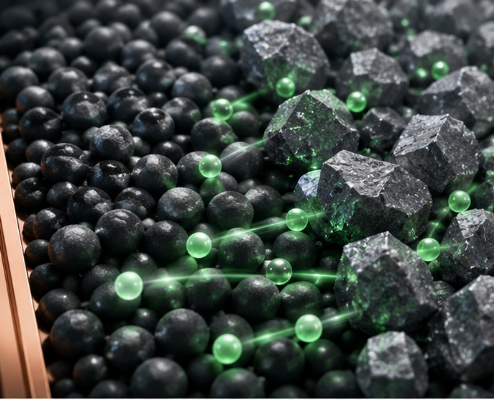
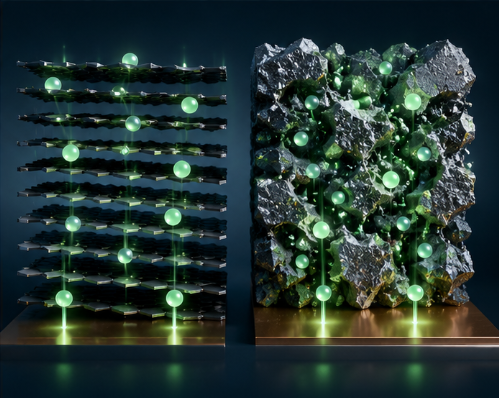
Silicon can theoretically store around ten times more lithium than graphite.
This higher storage capacity could enable:
- Longer EV driving range
- Smaller battery packs
- Faster charging
- Higher energy density
These advantages make silicon one of the most closely watched battery materials today.
Manufacturing
The Biggest Challenge
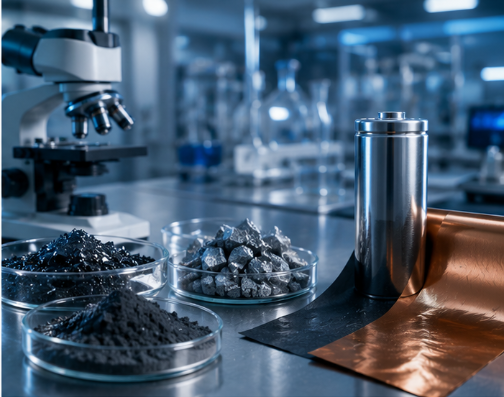
Silicon expands significantly during charging.
Repeated expansion and contraction can cause cracks, capacity loss, and shorter battery life.
To overcome these issues, manufacturers are developing:
- Silicon-carbon composites
- Nano-structured silicon
- Advanced binders
- Protective coatings
Material engineering is becoming the key to commercial success.
Industry
Why the Industry Is Investing
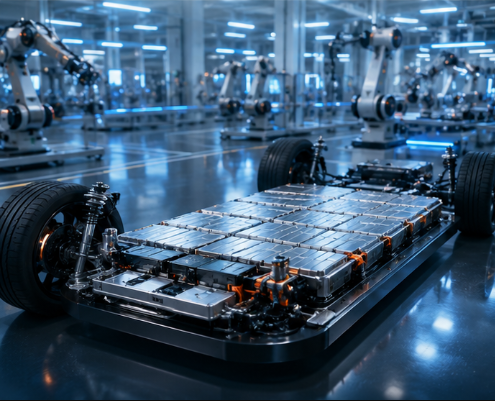
Battery manufacturers around the world are accelerating silicon anode development.
The goal is simple:
Deliver higher performance without sacrificing reliability.
As EV competition intensifies, even small improvements in battery performance can become significant competitive advantages.
🎯 Atlas Radar
What Is a Silicon Anode?
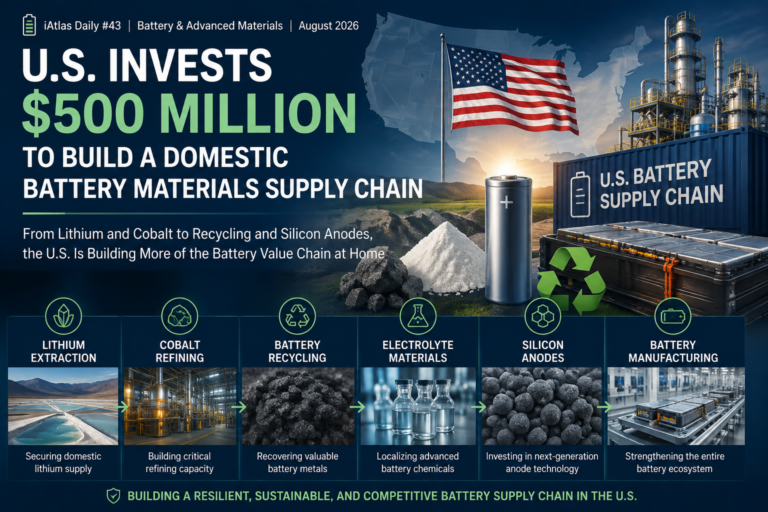
A silicon anode replaces some or all of the graphite traditionally used in lithium-ion batteries.
Why It Matters
Higher-capacity anodes could become one of the most important technologies for extending electric vehicle range.
🔭 Atlas Outlook
Looking Ahead
Silicon Content Will Continue Increasing
Many next-generation batteries are expected to incorporate progressively higher silicon content.
Material Innovation Will Drive Performance
Success depends not only on silicon itself but also on advanced composite materials and manufacturing processes.
EV Competition Will Accelerate Adoption
Demand for longer range and faster charging will continue pushing battery innovation forward.
💡 Atlas Insight
Battery innovation is no longer driven by chemistry alone.
Materials engineering is becoming one of the defining factors in next-generation battery performance.
Silicon anodes demonstrate how a single material can reshape the future of electric mobility.
Today’s Keywords
Silicon Anode
An anode material that can store significantly more lithium than conventional graphite.
Graphite Anode
The traditional anode material used in most lithium-ion batteries.
Energy Density
The amount of energy stored per unit weight or volume.
📚 Continue Reading
Previous Daily
➡️ Why Solid-State Batteries Could Transform Electric Vehicles
Discover how solid-state batteries could redefine EV safety and energy density.
Also Recommended
➡️ Why High-Purity Materials Matter for Next-Generation OLED Displays
Explore how material purification improves OLED efficiency and manufacturing quality.
About iAtlas
iAtlas is an independent publication covering batteries, semiconductors, OLED, advanced materials, AI, and global industrial trends.
We transform complex industrial developments into clear, reliable, and easy-to-understand insights.
Whether you’re following today’s industry news or building long-term expertise, iAtlas helps you understand not only what happened, but why it matters.
Technology creates change.
Insight creates opportunity.
— iAtlas