Why High-Purity Materials Matter for Next-Generation OLED Displays
The Invisible Technology Behind Next-Generation Displays
📰 iAtlas Daily #6 | July 8, 2026
Today’s Highlights
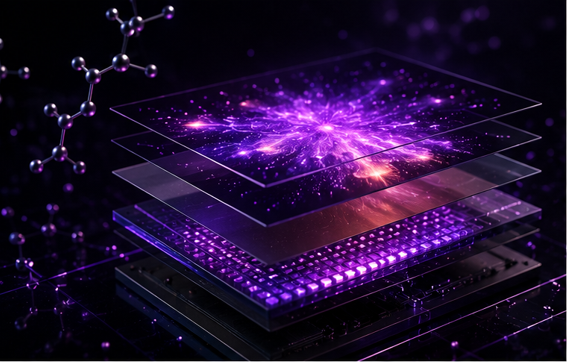
- OLED performance begins with material purity—not just manufacturing equipment.
- Even trace impurities can reduce display efficiency and shorten product lifetime.
- High-purity materials and vacuum purification technologies are becoming strategic advantages for display manufacturers.
Cover Story
The Hidden Foundation of OLED Manufacturing
When people think about OLED technology, they often focus on brighter displays, thinner panels, or flexible screens.
However, one of the most important factors lies much earlier in the manufacturing process:
Material purity.
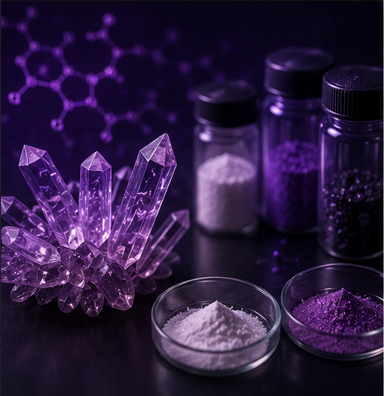
Before OLED materials are deposited onto a substrate, they must undergo extremely precise purification.
Even microscopic impurities can affect light emission efficiency, color accuracy, and long-term reliability.
As OLED displays continue to evolve, material quality is becoming just as important as manufacturing technology.
OLED Manufacturing
Why Purification Matters
OLED materials are deposited in ultra-thin organic layers only a few hundred nanometers thick.
At this scale, even tiny contaminants can cause defects.
Manufacturers therefore rely on advanced purification technologies before the evaporation process begins.
The goal is simple:
Deliver the purest possible material into the OLED device.
Materials
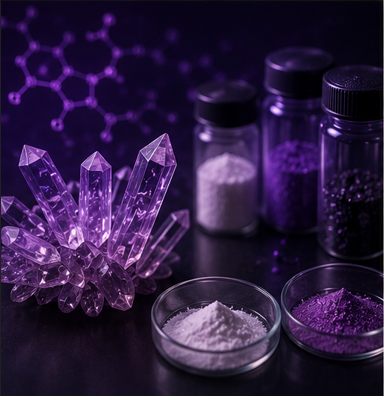
What Is High-Purity OLED Material?
OLED materials are refined to extremely high purity levels before entering production.
Higher purity offers several benefits:
- Better display uniformity
- Improved efficiency
- Longer lifetime
- Higher manufacturing yield
For premium OLED panels, material purity has become one of the industry’s most important quality indicators.
Manufacturing Technology
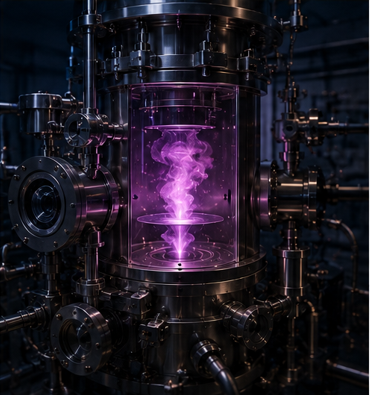
Vacuum Sublimation
One of the most widely used purification methods is vacuum sublimation.
Under carefully controlled temperature and pressure, OLED materials are vaporized and re-condensed.
This process separates impurities while preserving the desired organic compounds.
Multiple purification cycles are often required for next-generation OLED materials.
🎯 Atlas Radar
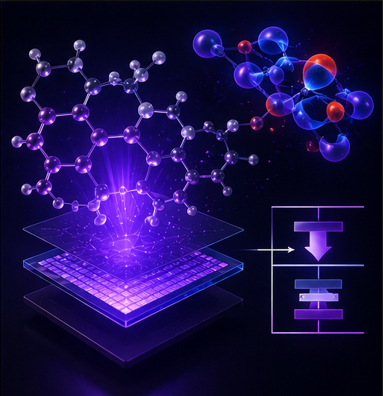
What Is Material Purification?
Material purification is the process of removing unwanted impurities from OLED materials before manufacturing.
The cleaner the material, the better the display performance.
Why It Matters
As OLED displays become smaller, brighter, and more efficient, manufacturers can no longer rely solely on better equipment.
Material quality itself is becoming a competitive advantage.
🔭 Atlas Outlook
Looking Ahead
Premium OLED Will Require Higher Purity
As display performance improves, manufacturers will demand increasingly pure materials.
Manufacturing Quality Will Start with Chemistry
Future OLED competitiveness will depend not only on engineering, but also on advanced chemical purification.
New Applications Will Accelerate Demand
AR glasses, automotive displays, and micro OLED technologies all require exceptionally high material quality.
💡 Atlas Insight
The future of OLED technology will not be determined only by display architecture.
It will also depend on the invisible quality of the materials behind every pixel.
In advanced manufacturing,
purity is performance.
Today’s Keywords
Material Purification
The process of removing impurities from OLED materials before manufacturing.
Vacuum Sublimation
A purification process that separates materials based on controlled evaporation and condensation under vacuum.
High-Purity OLED Materials
OLED materials refined to extremely low impurity levels for advanced display manufacturing.
📚 Continue Reading
Previous Daily
➡️ Why HBM Is Redefining AI Computing
Discover how High Bandwidth Memory is transforming AI hardware through faster data transfer and advanced packaging.
Also Recommended
➡️ Why Glass Substrate Could Replace Today’s Chip Packaging
Explore how glass substrates are reshaping the future of semiconductor packaging.
About iAtlas
iAtlas is an independent publication covering batteries, semiconductors, OLED, advanced materials, AI, and global industrial trends.
We transform complex industrial developments into clear, reliable, and easy-to-understand insights.
Whether you’re following today’s industry news or building long-term expertise, iAtlas helps you understand not only what happened, but why it matters.
Technology creates change.
Insight creates opportunity.
— iAtlas